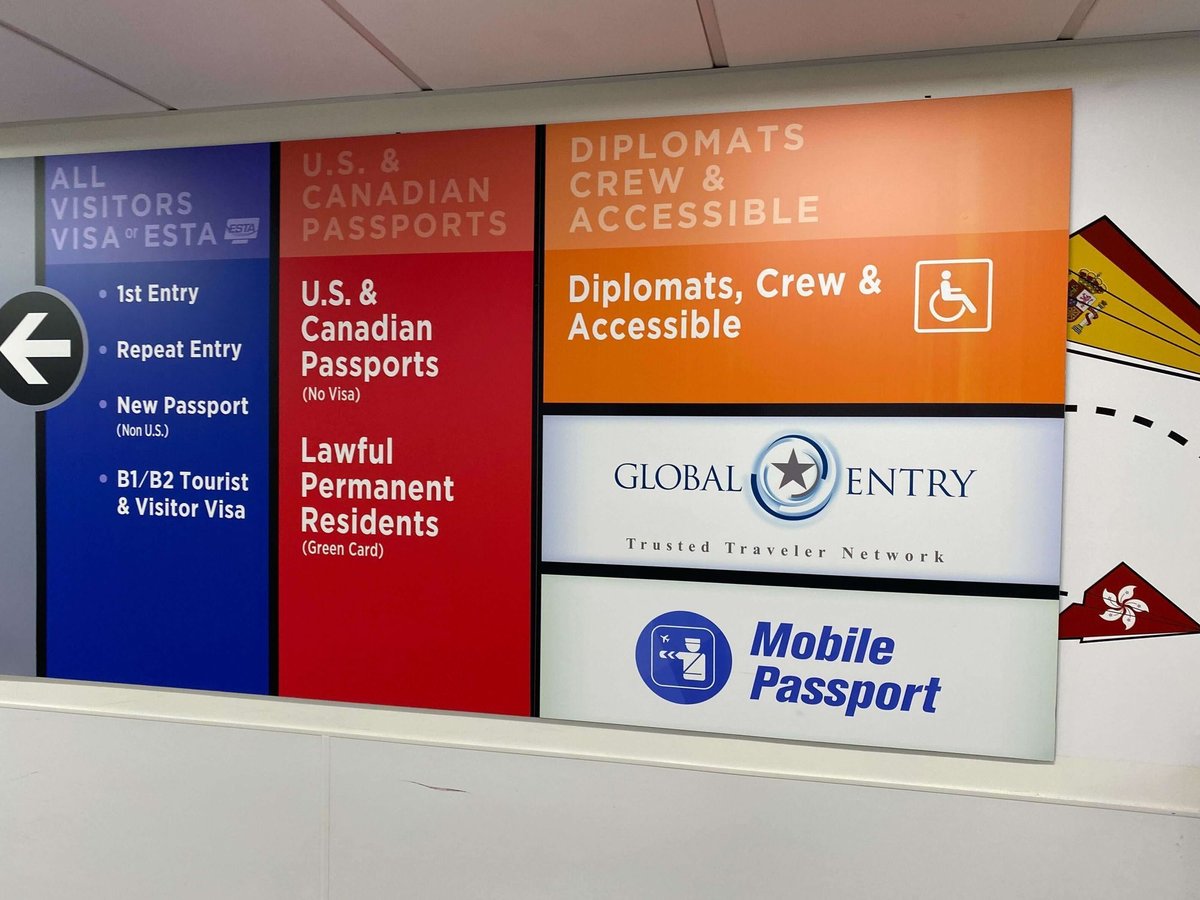
Ah, the Global Entry program. A promise of swift passage through airport lines, a whispered dream of bypassing the masses. But for many, that dream can quickly turn into a bureaucratic maze, leading to common issues, denials, and a frustrating scramble for answers. As a seasoned traveler and someone who’s navigated the intricacies of these systems, I can tell you that understanding why things go wrong and how to troubleshoot them is half the battle.
This guide isn't just about what to do after a denial; it's about empowering you with the knowledge to either prevent it in the first place or, failing that, to fight for your right to trusted traveler status with confidence and a clear strategy.
At a Glance: Your Global Entry Troubleshooting Checklist
- Global Entry is a Privilege, Not a Right: CBP has discretion; understand their strict criteria.
- Denials are Common: Don't panic. Reasons range from minor infractions to incomplete info.
- Expunged Doesn't Mean Forgotten: Any past legal issue, even dismissed, must be disclosed.
- You Can Appeal: The CBP Traveler Redress Inquiry Program (TRIP) is your avenue.
- Time Limits Matter: Generally 30 days for Enrollment Center appeals, up to one year for the CBP Ombudsman.
- Documentation is Key: Gather all relevant court records, police reports, and detailed statements.
- Online is Primary: Most appeals go through the TTP website's "reconsideration request."
- Patience is a Virtue: Appeals can take 4-9 months, sometimes longer.
- Monitor Your Account: Check the TTP portal and email regularly for updates or requests.
- Alternatives Exist: TSA PreCheck or Mobile Passport Control can still save you time.
Understanding Global Entry: More Than Just a Fast Lane
Global Entry, run by U.S. Customs and Border Protection (CBP), is designed to fast-track pre-approved, low-risk travelers upon arrival in the U.S. It offers incredible convenience, letting you bypass traditional customs lines and often speeding through security via TSA PreCheck benefits.
But here’s the crucial part: it’s a privilege, not a right. CBP holds immense discretion in who they approve. This means that even seemingly minor infractions or discrepancies can lead to significant hurdles, or even outright denial. The system works because it prioritizes national security and compliance. Your application process is a thorough background check designed to confirm you meet their stringent "low-risk" criteria.
When Smooth Sailing Hits Turbulence: Common Global Entry Issues
Before we dive into denials, let's address some of the more common snags that can stall your Global Entry journey. These often don't mean outright rejection, but they can certainly test your patience.
Application Limbo: The Waiting Game
You've submitted your application, paid your fee, and now... nothing. Weeks turn into months. This "pending review" status is one of the most common frustrations.
- Why it happens: CBP processes thousands of applications daily. Backlogs, staffing levels, or a need for deeper background checks can all contribute to delays.
- What to do: Unfortunately, there's not much you can do beyond waiting. Resist the urge to call CBP; they rarely have specific updates until a decision is made. Focus on other aspects of your travel planning in the meantime.
Conditional Approval Puzzles: Getting to the Interview
After what might feel like an eternity, you get "Conditional Approval." This is a good sign, but it's not final. It means CBP has reviewed your written application and determined you might qualify, provided a successful in-person interview.
- Scheduling Delays: Finding an interview slot can be challenging, especially in major cities. Slots often fill up months in advance.
- What to do: Check the TTP website frequently, as new slots (including last-minute cancellations) appear constantly. Consider scheduling your interview at less busy enrollment centers, or even utilizing "Enrollment on Arrival" if you're flying internationally into a participating airport.
- Preparing for the Interview: Many applicants underestimate the interview's importance. It's not a mere formality.
- What to do: Gather all required documents: your valid passport(s), a second form of ID (driver's license or state ID), and your conditional approval letter. Be prepared to answer questions about your travel history, past addresses, employment, and any legal issues you disclosed (or perhaps failed to disclose). Honesty and consistency are paramount.
Account Management Hiccups: Staying Connected
Sometimes the issue isn't with your application itself, but with simply managing your Trusted Traveler Programs (TTP) account.
- Forgotten Passwords/Usernames: It happens!
- What to do: Utilize the "Forgot Password" or "Forgot User ID" links on the TTP login page. Keep your login credentials handy and perhaps stored securely in a password manager.
- Updating Information: If your address, passport, or other details change, you need to update your TTP profile.
- What to do: Log into your TTP account and navigate to the relevant section to make changes. Failing to update critical information can lead to issues at the border or even revocation of your membership.
The Dreaded Denial Letter: Why Your Global Entry Application Was Rejected
Receiving a denial letter can be incredibly disheartening, especially if you felt you were a perfect candidate. CBP, however, operates under very strict guidelines. Here are the most common reasons your Global Entry application might be rejected, along with what CBP is looking for.
The "Risk Assessment" Black Box
Sometimes, the denial letter will be vague, simply stating you don't meet the "program eligibility requirements" or that you are deemed "ineligible based on a risk assessment." This broad category can encompass various factors, some less obvious than others.
- CBP's Discretion: Remember, Global Entry is a privilege. CBP has the final say, and if any aspect of your background or patterns of behavior raises a red flag, they can deny you. This isn't always about outright violations but could be about perceived inconsistencies or an inability to fully verify your "low-risk" status.
Criminal History: Even Minor or Expunged Offenses
This is perhaps the most frequent reason for denial, and often the most surprising to applicants who believe their past is, well, in the past.
- Any Arrest, Any Conviction: CBP's definition of "criminal history" is broad. This includes:
- Arrests, even if charges were dismissed, dropped, or you were acquitted. The arrest itself can be a disqualifier, particularly if the circumstances were severe.
- Misdemeanors, not just felonies. DUI/DWI, shoplifting, assault, drug possession—even if minor or years ago.
- Expunged or sealed records. CBP has access to records that may be legally inaccessible to the public or even some employers. They expect full disclosure.
- Deferred adjudications or diversion programs. While these might lead to dismissal in civilian courts, CBP still views them as an admission of guilt or involvement in a crime.
- The Honesty Factor: Failing to disclose any past legal issue, no matter how minor or old, is considered providing false information—a guaranteed denial reason. CBP conducts thorough background checks; they will find it.
Customs and Immigration Violations
These are clear cut. If you've had a run-in with any border agency, it's a major red flag.
- Previous CBP Violations: This includes anything from undeclared goods (e.g., bringing back too many cigars, unpermitted food items) to lying to a CBP officer, or attempting to smuggle prohibited items.
- Immigration Issues: Overstaying a visa, attempting to enter the U.S. without proper documentation, or previous deportations/removals are definitive disqualifiers.
- Agricultural Violations: Even minor infractions like failing to declare an apple or soil on your shoes can sometimes lead to a denial.
Providing Incomplete or False Information
This ties back to the honesty factor and meticulous application.
- Omissions: Not listing all past addresses, employers, or international travel history (especially for living or working abroad in the last five years).
- Inconsistencies: Information on your application not matching official records (e.g., slight spelling variations of your name, incorrect dates).
- Deliberate Misinformation: Lying about criminal history, prior customs violations, or citizenship status. This is a swift path to denial.
Inconsistent Travel Patterns or Unresolved Fines
Less common but still relevant, these can also trip you up.
- Unusual Travel History: If your travel patterns raise suspicion (e.g., frequent short trips to high-risk areas without a clear explanation), CBP might flag your application.
- Unresolved Fines or Warrants: Outstanding fines (e.g., parking tickets, traffic violations that have escalated) or active warrants can lead to denial, as they indicate a disregard for laws.
Your Right to Appeal: Navigating the Global Entry Reconsideration Process
A denial isn't necessarily the end of the road. You have the right to appeal the decision, and many successful applicants have had their initial denials overturned. The key is to understand the process, gather comprehensive evidence, and present a clear, compelling case.
The Appeal Authority: CBP TRIP and the Ombudsman
The primary entity handling Global Entry appeals is the CBP Traveler Redress Inquiry Program (TRIP). Within TRIP, your case will often be reviewed by the CBP Ombudsman, an independent office within CBP dedicated to resolving traveler complaints and issues.
Understanding the Timeframes: Don't Miss Your Window
There are two main routes and associated timeframes for appealing:
- Appeal to an Enrollment Center: You can appeal directly to the Enrollment Center that processed your application within 30 days of receiving your denial notice. However, this is less common and often less effective, as their decision might be limited by their initial findings.
- Appeal via the CBP Ombudsman (TRIP): This is the more common and generally more effective route. You typically have up to one year from the date of denial to submit your appeal through the CBP Ombudsman.
Recommendation: While the 30-day window exists, focusing your efforts on a comprehensive appeal through the CBP Ombudsman within the one-year timeframe often allows you more time to gather necessary documentation.
Step-by-Step: Crafting a Robust Appeal
Your appeal must directly address the reason for denial stated in your letter and provide concrete evidence to refute or clarify it.
- Review Your Denial Letter Meticulously: This letter is your roadmap. It should outline the specific reason(s) for your denial. If it's vague ("risk assessment"), you'll need to infer or provide comprehensive information.
- Gather Your Evidence: This is the most critical step. CBP isn't looking for excuses; they're looking for documented proof.
- Clear, Concise Written Statement: Draft a statement explaining the circumstances related to the denial reason. Be factual, avoid emotional language, and stick to the point. If you were denied for a criminal record, explain what happened, the outcome, and any mitigating factors (e.g., youthful indiscretion, completion of rehabilitation).
- For Criminal History:
- Court Disposition Records: Even for expunged, dismissed, or acquitted cases, you must provide official court documents showing the final disposition. This proves the case's outcome.
- Police Reports: If available and supportive of your case (e.g., showing you were not the primary aggressor, or charges were dropped due to mistaken identity).
- Proof of Rehabilitation: If applicable, provide certificates of completion for programs (e.g., AA meetings, anger management, drug counseling), letters of good character, or evidence of community service.
- For Customs/Immigration Violations:
- Official Correspondence: Any letters or documents from CBP or USCIS related to the incident.
- Detailed Explanation: If there was a misunderstanding, clearly explain what happened, what you learned, and how you've changed your practices.
- For Identity/Information Issues:
- Proof of Identity: Updated passport, driver's license.
- Detailed Travel History: If questioned, provide comprehensive travel dates, especially for any living or working abroad.
- Police Reports: If your ID was stolen or used fraudulently.
- Any Other Supporting Documents: Think about anything that directly counteracts or clarifies the denial reason. The more concrete evidence you provide, the stronger your appeal.
- Submit Your Appeal Online (Primary Method):
- Log into your TTP Account: Go to the official Trusted Traveler Programs (TTP) website.
- Locate "Reconsideration Request": This option is typically found within your application status area or account management section.
- Follow the Prompts: Input the date of denial, the stated reason for denial, and a summary of the information you are providing.
- Upload Documents: All supporting documents must be uploaded in accepted formats like PDF, DOCX, or JPEG. Ensure they are clear, legible, and organized. Create a single PDF for all court documents, another for your statement, etc.
- The Mail Option (Secondary Method):
You can also mail a written appeal directly to the CBP Ombudsman. While less common, it’s an option if you face technical difficulties with the online system or prefer paper submission. Ensure you send it via certified mail with return receipt requested to have proof of submission.
- Address:
U.S. Customs and Border Protection
Attention: CBP Ombudsman
1300 Pennsylvania Ave., NW
Washington, D.C. 20229
What Happens Next? Waiting for a Decision
Once you've submitted your appeal, the waiting game begins anew.
- CBP Review: Your case will be reviewed by CBP, often by the Ombudsman's office. They will analyze the new information you've provided against their records.
- Processing Times: Be prepared for a significant wait. While CBP aims for a review within 20 business days, processing times for Global Entry appeals can vary significantly. It often takes between four to six months, though some complex cases may extend to nine months or even longer.
- Monitor Your Account and Email: Regularly check your TTP account and the email associated with your application. CBP may request additional information or clarification. Promptly respond to any such requests.
- The Decision: Eventually, a decision will be communicated. This could be:
- Reversal and Approval: Your initial denial is overturned, and your Global Entry application is approved. Congratulations!
- Upholding the Denial: The initial denial is upheld, meaning your appeal was unsuccessful.
If your appeal is upheld, you may have limited further recourse within the CBP system. At that point, you'd need to assess if there are any new material facts or legal grounds to pursue legal counsel, but for most, the CBP Ombudsman decision is the final administrative step.
Prevention is Better Than Cure: How to Ace Your Initial Global Entry Application
The best way to avoid the headache of a denial and appeal is to get your initial application right. Meticulousness, honesty, and preparation are your greatest allies.
Meticulous Data Entry
Every field in the application matters. Treat it like a legal document.
- Legal Name: Ensure it matches your passport exactly. No nicknames, no abbreviations unless they are part of your official name.
- Address History: Provide your complete address history for the last five years, without gaps.
- Employment History: List all employers for the last five years, including start and end dates.
- Travel History: Be comprehensive. If you've lived or worked abroad in the last five years, provide all the details. CBP cross-references this with entry/exit records.
Honest Disclosure: All Past Legal Issues
This cannot be stressed enough. CBP has access to records beyond what local courthouses might make public or what an employer background check might reveal.
- Disclose Everything: Even if a charge was dismissed, expunged, or happened decades ago, disclose it. Explain the situation clearly and concisely in the provided text boxes.
- Why Honesty Matters: Failing to disclose an issue that CBP finds during their background check is seen as an attempt to deceive them. This is often a greater disqualifier than the original offense itself. Transparency builds trust.
- Example: "In 2005, I was arrested for misdemeanor possession of cannabis. The charges were later dismissed after I completed a diversion program. I have had no further legal issues since then." Providing this context is crucial.
Interview Preparation: Be Ready
Conditional approval means the hard part is still ahead. The interview is your chance to shine.
- Required Documents: Bring your valid passport(s) and your driver's license/state ID. Also, bring your conditional approval letter.
- Be Prepared to Answer: Expect questions about your application details, travel history, and any disclosed incidents. Answer truthfully and consistently with your application. Don't volunteer unnecessary information, but don't hold back critical details when asked.
- Stay Calm and Respectful: CBP officers are doing their job. A calm, respectful demeanor is always best.
Understanding CBP's Discretion
Recognize that Global Entry is a privilege. CBP has full discretion and can deny applications for reasons beyond explicit violations. This could include inconsistent travel patterns (e.g., frequent, unexplained short trips), past customs violations you thought were minor, or unresolved financial obligations like federal fines.
Global Entry Not for You? Exploring Alternatives
If, after an appeal, Global Entry remains out of reach, don't despair. There are other programs that can still significantly improve your travel experience.
TSA PreCheck
This program expedites security screening at U.S. airports for domestic travel. You get to keep on your shoes, light jacket, and belt, and your laptop and liquids stay in your bag.
- Benefits: Faster security lines, less hassle.
- Cost: $85 for five years.
- Who it's for: Primarily domestic travelers who want a quicker airport security experience. It does not help with customs upon international re-entry.
Mobile Passport Control (MPC)
This free app, available at select U.S. airports and seaports, allows you to submit your passport and customs declaration form information electronically via your smartphone or tablet.
- Benefits: Speeds up the entry process upon international arrival, often by directing you to a dedicated MPC lane.
- Cost: Free.
- Who it's for: Any U.S. citizen or Canadian visitor (with a B1/B2 visa) arriving at a participating port of entry. It's a great "Plan B" if you don't qualify for Global Entry.
Pro Tips for a Smoother Global Entry Journey
A little foresight can go a long way in streamlining your application process.
- Credit Card Reimbursement: Many premium travel credit cards offer a statement credit for the Global Entry application fee (which includes TSA PreCheck). Check your card benefits before paying.
- Strategic Interview Scheduling: If you live near a major airport, research enrollment centers. Some smaller or less-trafficked locations might have more immediate availability.
- Keep Login Credentials Handy: Your TTP account is where you'll track your status, get updates, and manage your membership. Save your login info securely.
- Book Interviews Quickly: Once conditionally approved, book your interview immediately. Slots fill up fast, sometimes months in advance. Don't procrastinate.
- Enrollment on Arrival: For conditionally approved applicants, this is a fantastic option. If you're flying internationally into a participating U.S. airport, you can complete your interview upon arrival, often without a prior appointment. Look for the signs after customs but before you fully exit the secure area.
Your Next Steps: Turning Denial into Approval, or Finding Your Path Forward
Navigating the Global Entry application and appeal process can feel daunting, but it's entirely manageable with the right information and a methodical approach.
If you've been denied, take a deep breath. Review your denial letter, gather your evidence diligently, and present your case to the CBP Ombudsman. Many denials, especially those based on older or minor issues, are successfully overturned through a well-prepared appeal.
Should Global Entry ultimately prove out of reach, remember that programs like TSA PreCheck and Mobile Passport Control offer excellent alternatives that can still significantly ease your travel experience. The goal is always a smoother, less stressful journey, and there are multiple paths to get there.