If you've enjoyed breezing through customs lines, skipping the lengthy queues after an international flight, you know the unparalleled value of Global Entry. It's more than just a convenience; it's a passport to smoother, less stressful travel. But like all good things, it comes with an expiration date – and, crucially, a cost. Understanding the Cost of Global Entry: Renewal & Payment Strategies is key to maintaining your expedited status without a hitch, especially now that U.S. Customs and Border Protection (CBP) has made some adjustments.
The good news? Renewing your Global Entry is generally simpler than the initial application. The even better news? With a bit of foresight and the right payment strategy, you can minimize the impact of the renewal fee, ensuring your journey through international airports remains as seamless as ever.
At a Glance: Your Global Entry Renewal Essentials
- New Renewal Fee: The cost to renew Global Entry has increased from $100 to $120. This applies to both new applications and renewals, effective immediately.
- Non-Refundable: The application fee is non-refundable, regardless of approval status.
- Renew Early: Start your renewal application approximately six months before your current membership expires to avoid any lapse in benefits.
- No Interview Needed (Usually): Most renewals for members in good standing don't require an interview, but be prepared for one if CBP requests it.
- Processing Time: Allow 6-12 weeks for renewal processing, though it can vary significantly.
- Payment Strategies: Leverage credit card benefits or employer reimbursements to potentially cover the fee.
- Includes TSA PreCheck: Your Global Entry membership automatically grants you TSA PreCheck benefits.
Why Global Entry Matters More Than Ever for the Savvy Traveler
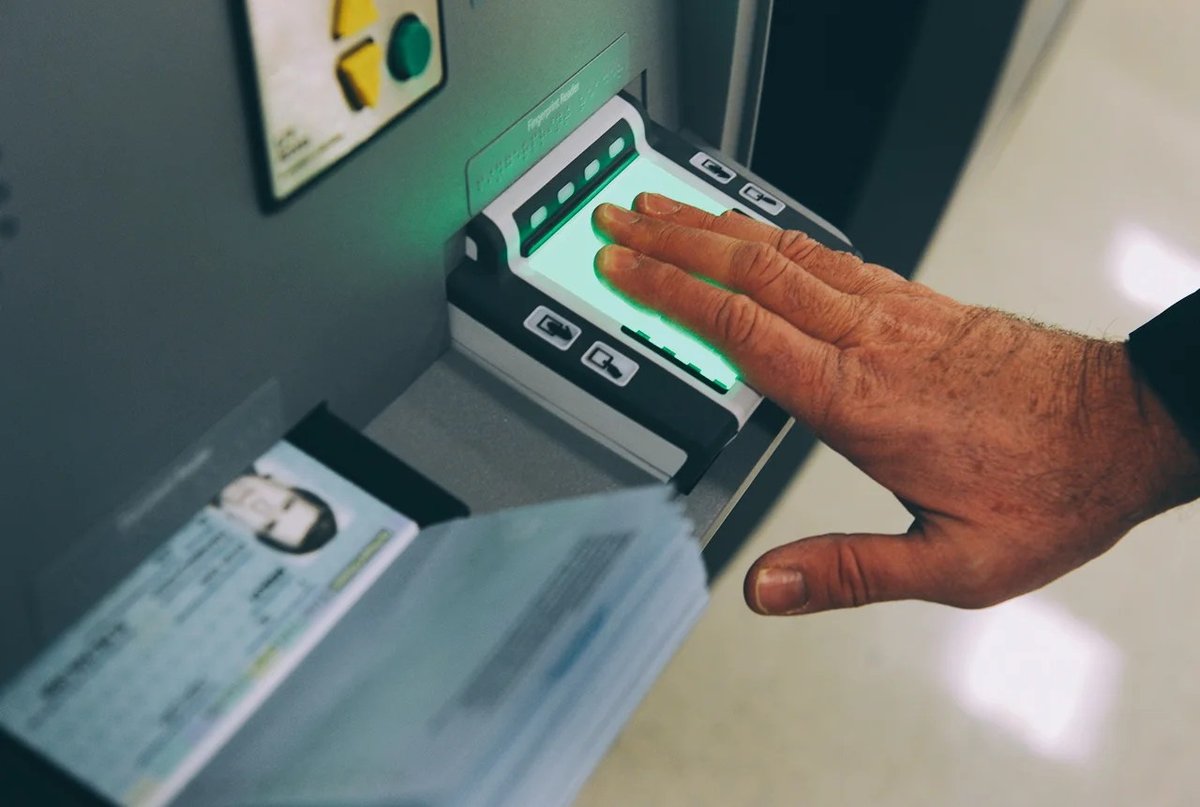
Imagine stepping off a long international flight, weary from travel, only to find yourself facing a snaking line at customs. For millions of travelers, this is a familiar and frustrating reality. But for those enrolled in Global Entry, the scene is dramatically different: a quick stop at an automated kiosk, a scan of your passport and fingerprints, and you’re often through in minutes.
Global Entry isn't just a time-saver; it’s a national security program designed by the U.S. government to expedite clearance for pre-approved, low-risk travelers. By utilizing sophisticated background checks and biometric technology, it enhances security while simultaneously making travel more efficient and less stressful for you. It's a win-win.
With approximately 2 million travelers already enrolled and demand steadily rising, the program continues to grow in importance. As international travel bounces back and airports get busier, the value of that dedicated, expedited lane only increases. Global Entry membership lasts for five years, and it wisely bundles TSA PreCheck benefits, meaning you'll also enjoy quicker security checks at domestic airports, bypassing the need to remove shoes, belts, or laptops from your bag. It’s a comprehensive solution for streamlined travel.
The New Numbers: Decoding the Global Entry Renewal Cost Increase
Let's get straight to the bottom line: the cost of Global Entry is changing. Previously, both new applications and renewals carried a $100 fee. However, U.S. Customs and Border Protection (CBP) has announced an increase.
The new cost to apply for or renew your Global Entry membership is $120. This change is effective immediately, meaning any new application or renewal submitted from now on will reflect this higher fee.
This $20 increase, while modest, is important to factor into your travel budget. It applies universally – whether you're a first-time applicant or a seasoned traveler looking to extend your benefits for another five years.
One crucial detail to remember is that this application fee is non-refundable. This means that even if your application is denied for any reason, CBP will not return the $120. It underscores the importance of ensuring you meet all eligibility criteria and submit an accurate application, a point we’ll delve into later.
While any price increase can feel unwelcome, it's worth contextualizing this against the backdrop of rising operational costs and the significant benefits Global Entry provides over a five-year period. When you consider the hundreds of hours you might save in airport lines, the enhanced security, and the peace of mind it offers, the $120 fee, averaging $24 per year, often remains a worthwhile investment for frequent international travelers. For a deeper dive into understanding the full suite of Global Entry benefits, it's clear why many travelers still see the value.
Beyond the Base Fee: Unpacking Potential Additional Costs
While the $120 application fee is the primary expense, it's savvy to be aware of any potential ancillary costs that might arise, though these are typically less common, especially for renewals.
- Biometric Appointment Fees (Rare for Renewals): In some specific circumstances, if an enrollment center visit is required, there might be a nominal fee of $10-$20 for biometric data collection. However, for most renewals, especially if you're in good standing and your biometric data hasn't changed significantly, an interview or re-capture of biometrics is usually waived. This primarily applies if your initial application was many years ago, or if there's been a significant update to biometric technology.
- Costs for More Extensive Background Checks (Highly Uncommon): While standard background checks are part of the process, extremely rare cases involving complex travel histories, unusual legal situations, or specific national security concerns could theoretically lead to more extensive and costly checks. However, for the vast majority of Global Entry members, the $120 covers all standard processing and background verification. If you've maintained a clean record and have a straightforward profile, this isn't something to worry about.
- Travel Costs to an Enrollment Center: If, for some reason, CBP does require you to attend an interview (more common for first-time applicants, but possible for renewals if there are significant changes to your background or eligibility), you'll need to factor in the cost and time of traveling to an enrollment center. These centers are typically located at major international airports or select federal buildings. Depending on your location, this could involve gas money, public transport fares, parking fees, or even the cost of a domestic flight if you live far from a center. The good news is that many travelers proactively schedule their interviews during international arrivals, leveraging the "Enrollment on Arrival" program to avoid a dedicated trip.
By being aware of these potential, albeit usually minor or conditional, expenses, you can ensure no surprises crop up during your Global Entry renewal journey.
Smart Payment Strategies to Soften the Blow
Now that you know the new $120 price tag, let's talk about how to pay for it smartly. For many travelers, this fee doesn't have to come directly out of pocket. Several common strategies can help offset or even completely cover the cost.
1. Leverage Credit Card Benefits
This is, by far, the most popular and effective strategy for frequent travelers. Many premium travel credit cards offer a statement credit specifically for Global Entry or TSA PreCheck application fees. Here’s how it typically works:
- Check Your Card's Benefits: Review the benefits guide for your premium travel credit card. Cards from issuers like American Express, Chase, Capital One, Citi, and others frequently include this perk.
- How it Works: You pay the Global Entry application fee ($120) with your eligible credit card. The credit card issuer then automatically applies a statement credit to your account, effectively reimbursing you for the fee.
- Important Details:
- Frequency: Most cards offer this benefit once every 4-5 years, which perfectly aligns with Global Entry's renewal cycle.
- Per Cardholder: Some cards offer the credit per primary cardholder, while others extend it to authorized users. Verify your specific card's policy.
- Global Entry vs. TSA PreCheck: The credit often covers either Global Entry (which includes PreCheck) or TSA PreCheck. Since Global Entry is the more comprehensive program, it's generally recommended to use the credit for that.
- Timing: The credit usually appears on your statement within a few business days or weeks after the charge posts.
Before you renew, take a moment to explore various credit card travel perks to see if you have this valuable benefit waiting for you. It's an excellent way to maintain your trusted traveler status without feeling the pinch of the renewal fee.
2. Employer or Company Reimbursement
For many business travelers, maintaining Global Entry is essential for efficient travel. Some forward-thinking companies recognize this and offer reimbursement for the application fee.
- Check Company Policy: Consult your company's travel or HR policies. Many businesses consider Global Entry an eligible expense, especially for employees who travel internationally on a regular basis.
- Submission Process: If eligible, save your payment receipt and submit it through your company's expense reporting system for reimbursement.
This can be a significant advantage, as it aligns your professional travel needs with a personal benefit, all while being covered by your employer.
3. Family Budgeting Considerations
If multiple family members hold Global Entry, coordinating renewals and payments can be strategic. While you can't use one credit card's Global Entry benefit for multiple people if it's a "one per 4-5 years" policy, you might:
- Distribute Across Cards: If different family members have eligible credit cards, each can use their card's benefit for their respective renewal.
- Allocate Travel Budget: If paying out-of-pocket, consider integrating the $120 fee into your annual travel savings, perhaps setting aside a small amount each month leading up to the renewal period.
Tax Implications
Generally, the cost of Global Entry is considered a personal expense and is not tax-deductible for individuals. While it aids business travel, the IRS typically views it as a personal convenience. However, if your employer reimburses you, that reimbursement is usually non-taxable income to you, as it’s for a legitimate business expense. Always consult with a tax professional for personalized advice.
By exploring these payment avenues, you can approach your Global Entry renewal with a clear strategy, potentially keeping more money in your pocket for your next adventure.
Navigating the Renewal Process: A Step-by-Step Guide
Renewing your Global Entry is designed to be relatively straightforward, especially for members in good standing. Here's a clear roadmap to guide you through the process:
- Log Into Your Trusted Traveler Programs (TTP) Account:
- This is your central hub for all things Global Entry. Head to the official TTP website (ttp.cbp.dhs.gov).
- If you've forgotten your login credentials, use the "Forgot Username" or "Forgot Password" links. It's crucial to access your existing account rather than creating a new one.
- Initiate the Renewal Application:
- Once logged in, you should see an alert indicating your Global Entry membership is nearing expiration (if you're within the 12-month window).
- Click on the "Renew Application" or similar prompt. This will open an updated online application form.
- Submit an Updated Online Application:
- This is where you'll review and update your personal and travel information. Be thorough and accurate.
- Personal Information: Double-check your current name, address, phone number, and email. Ensure your passport information is up to date (if you've renewed your passport since your last Global Entry application, you'll need to update it here and potentially with CBP directly).
- Travel History: You'll be asked to confirm or update your international travel history. Be as comprehensive as possible.
- Employment Information: Update any changes in your employment status.
- Declarations: Reconfirm your eligibility by answering questions about criminal history, customs violations, and other relevant factors.
- Accuracy is Key: Any discrepancies or outdated information can lead to delays or even a request for an interview. Double-check everything before submitting.
- Pay the Fee:
- After completing the application, you'll be prompted to pay the $120 renewal fee.
- As discussed, use an eligible credit card if you have one that offers a Global Entry reimbursement benefit. Remember, this fee is non-refundable.
- Undergo Background Checks:
- Once your application and payment are submitted, CBP will conduct a thorough background check, similar to your initial application, but usually quicker. They’ll review your criminal record, immigration status, and compliance with customs and agriculture laws.
- Interview (Typically Waived for Renewals):
- For most renewals, if you're a member in good standing with no significant changes to your background or eligibility, the interview requirement is waived. You'll simply receive an approval notification.
- However, CBP reserves the right to request an interview if they deem it necessary. This could be due to:
- Significant changes in your personal information (e.g., citizenship status).
- New legal issues or incidents since your last application.
- Incomplete or questionable information in your renewal application.
- Random audit procedures.
- If an interview is requested, you’ll receive a notification and will need to schedule an appointment at a Global Entry enrollment center.
- Monitor Notifications:
- Keep a close eye on your email (including spam folders) and your TTP account dashboard. CBP will communicate your application status, request additional information, or notify you of an interview requirement through these channels.
By following these steps diligently, you can ensure a smooth and efficient Global Entry renewal process. For those interested in a comprehensive guide to all Trusted Traveler Programs, the TTP portal is your gateway to various expedited travel options.
The Golden Timeline: When to Renew for Seamless Travel
Timing is everything when it comes to Global Entry renewal. The goal is to renew without any lapse in your benefits, ensuring you always have that expedited airport experience.
Renew Early: The Six-Month Sweet Spot
The most crucial piece of advice is to initiate the renewal process approximately six months before your membership expiration date.
Why six months?
- Processing Delays: While some renewals zip through in days, others can take weeks or even months. The official processing time typically ranges from 6 to 12 weeks, but this can vary significantly based on application volume, seasonal demand (e.g., peak travel seasons), and individual circumstances (e.g., a complex travel history might trigger a more detailed review). Applying early gives you a comfortable buffer.
- Prevent Lapses in Benefits: If you submit your renewal application before your current membership expires, CBP often provides a grace period, allowing you to continue using your Global Entry benefits for a certain period (often up to 24 months) while your renewal is processing. However, relying on this grace period is risky and can be confusing. It's always best practice to get approved before your current card expires.
- Interview Contingency: Though rare for renewals, if an interview is requested, applying early gives you ample time to schedule and attend it without feeling rushed or having your benefits expire beforehand.
Factors Influencing Renewal Processing Time
Don't assume your renewal will be processed quickly just because it's a renewal. Several factors can extend timelines:
- Application Volume: High periods of travel or specific events can lead to a surge in applications, slowing down processing.
- Individual Circumstances: Any changes to your address, name, citizenship status, or legal background since your last application can trigger additional review, extending the timeline.
- Random Audits: Like any government program, random checks and audits can occur, requiring extra processing time.
- Incomplete/Inaccurate Information: Submitting an application with errors or missing details will inevitably lead to delays as CBP seeks clarification.
By marking your calendar well in advance and hitting that six-month window, you empower yourself to navigate any potential delays without impacting your valuable Global Entry benefits.
Mastering Your Renewal: Key Actionable Insights
Successful Global Entry renewal isn't just about paying the fee; it's about being proactive and precise. Here are the core actionable insights to ensure a smooth transition to your next five years of expedited travel:
- Renew Early, Always: As emphasized, start the process roughly six months out. This is your number one safeguard against any lapse in benefits or last-minute stress. Don't wait until the final month; processing times are unpredictable.
- Update All Information Meticulously: Log into your TTP account and scrutinize every field. Have you moved? Changed your name? Renewed your passport? Gotten a new driver's license? All personal information, contact details, and travel history must be current and accurate. Significant changes, especially to citizenship or legal issues, directly influence eligibility and processing time.
- Prepare Your Documents: Have these essential items ready before you start your application:
- Your valid U.S. passport (or birth certificate + government-issued photo ID).
- Your state-issued driver's license or non-driver ID.
- Your previous Global Entry membership number (easily found on your current card or within your TTP account).
Having these at your fingertips makes the online form quick and error-free.
- Monitor Notifications Diligently: After submitting, keep a vigilant eye on your email inbox (and spam folder) for any communications from CBP. They might request additional information, schedule an interview, or simply notify you of approval. Prompt responses can prevent unnecessary delays.
- Accuracy is Non-Negotiable: Double-checking all submitted information cannot be overstated. A simple typo in a passport number or an incorrect address can flag your application for manual review, leading to significant delays or even rejection. Take your time.
- Manage Expectations on Processing Time: While some renewals are approved within days, others can take months. Do not plan international travel assuming an immediate renewal. Factors like background checks, system updates, and application volume can all extend timelines. Plan your travel around your current expiration date, not an anticipated renewal approval date.
By integrating these insights into your renewal strategy, you transform a potentially bureaucratic task into a straightforward process, securing your hassle-free travel for years to come. For more essential expedited travel tips, remember that preparation is always your best travel companion.
Common Questions & Misconceptions About Global Entry Renewal
Even with clear guidance, certain questions and misunderstandings frequently arise during the Global Entry renewal process. Let's tackle some of the most common ones head-on.
1. Is the $120 renewal fee refundable if my application is denied?
No, the application fee is explicitly non-refundable. This policy applies whether you're a new applicant or renewing your membership. It's vital to ensure you meet all eligibility criteria before applying.
2. Do I need an interview every time I renew Global Entry?
Typically, no. For most members in good standing, an interview is waived during the renewal process. However, CBP reserves the right to request one if there are significant changes to your background, eligibility, or if your previous application was very old, or as part of a random audit. If an interview is requested, you will be notified via your TTP account and email.
3. What happens if my passport expires soon after I renew Global Entry?
This is a common scenario. It's best practice to renew your passport first if it's due to expire within a year. Once you have your new passport, you must update its details in your TTP account. You can usually do this online. If you renew Global Entry with an expiring passport, you'll need to update your new passport information with CBP soon after you receive it to ensure your Global Entry remains valid. Some travelers even suggest visiting an enrollment center for a quick passport update after renewal, if feasible.
4. Does Global Entry still include TSA PreCheck benefits?
Yes, absolutely! One of the great advantages of Global Entry is that it automatically bundles TSA PreCheck benefits. This means you get expedited security screening at U.S. airports for domestic flights, in addition to expedited customs clearance for international arrivals. There's no separate application or fee required for PreCheck if you have Global Entry. If you're ever weighing the differences between TSA PreCheck and Global Entry, remember that Global Entry essentially gives you both.
5. Can I renew if my Global Entry has already expired?
Yes, you can still apply for renewal even if your membership has expired. However, once expired, you will lose your benefits immediately. Your application will then be treated more like a new application, and an interview is more likely to be required. It’s always best to renew within the six-month window before expiration to maintain continuous benefits.
6. What if I make a mistake on my renewal application?
Minor errors, like typos, might be correctable by contacting CBP through your TTP account's messaging system. However, significant inaccuracies or omissions could lead to delays or a request for an interview. Always double-check your information before submission. If you discover a critical error post-submission, contact CBP immediately.
7. How will I know if my renewal is approved?
You will receive an email notification indicating a status change in your TTP account. Log in to your account to view the final decision and download your approval letter. A new Global Entry card will typically be mailed to you within a few weeks.
By clarifying these common points, you can approach your Global Entry renewal with increased confidence and a clearer understanding of the process.
The Bottom Line: Investing in Your Travel Future
Global Entry isn't just about bypassing lines; it's about reclaiming your valuable time, reducing travel stress, and ensuring a smoother, more predictable journey every time you cross an international border. With the renewal fee now at $120, it remains a highly cost-effective investment when spread over its five-year validity, translating to just $24 per year for unparalleled convenience and peace of mind.
The key to maintaining these benefits without a hitch lies in proactive planning and strategic execution. Initiate your renewal six months before expiration, diligently update your personal information, and explore smart payment strategies like leveraging credit card benefits.
Don't let the expiration date creep up on you. Take control of your travel future today by starting your Global Entry renewal process. It's a small administrative task that delivers immense returns, ensuring your next international adventure begins and ends with ease, just as it should. Your journey awaits – make sure you’re ready to breeze through it.